
In Singapore, the demand for Chinese tuition among secondary students is on the rise as families seek to enhance academic performance secondary school chinese tuition. This article explores the benefits of Chinese tuition programs, effective learning strategies, and features testimonials from successful students.
As the educational landscape continues to evolve, understanding the role of Chinese tuition in fostering excellence becomes paramount. Stay tuned for insights on how Chinese tuition empowers students to excel in their academic pursuits.
Growing Demand for Chinese Tuition
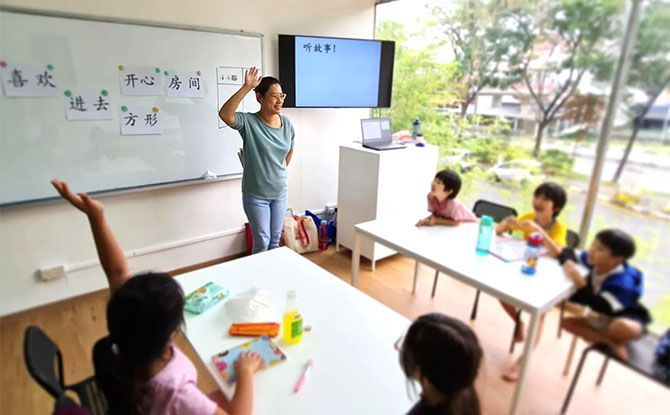
Amidst the competitive academic landscape in Singapore, there is a significant rise in the demand for Chinese tuition among secondary students yanzi mandarin. With increasing pressure to excel in examinations and secure spots in reputable institutions, families are turning to supplementary education to ensure their children’s success.
Chinese tuition offers personalized attention, additional practice, and a conducive environment for students to improve their language skills. As Singapore places a strong emphasis on bilingualism, proficiency in Chinese is crucial for academic and career advancement. Students seeking freedom in choosing their future paths recognize the importance of mastering the Chinese language.
Hence, the growing demand for Chinese tuition reflects a desire for academic empowerment and the freedom to pursue diverse opportunities.
Benefits of Chinese Tuition Programs
Given the competitive academic landscape in Singapore, secondary students benefit from Chinese tuition programs by gaining personalized support and additional resources to enhance their language proficiency. These programs offer tailored guidance that aligns with individual learning styles and needs, fostering a deeper understanding of the Chinese language.
Moreover, the small class sizes in Chinese tuition programs allow for greater interaction between students and teachers, enabling students to receive immediate feedback and clarification on challenging concepts. The structured curriculum and focused approach of these programs help students build a strong foundation in Chinese language skills, boosting their confidence in using the language both academically and in daily life.
Strategies for Effective Learning
Secondary students enrolled in Chinese tuition programs in Singapore can optimize their learning outcomes by implementing strategic study techniques that complement the personalized support provided by these programs. To excel, students should:
- Actively engage in class
- Clarify doubts promptly
- Practice regularly
Setting specific learning goals, organizing study schedules, and seeking help from tutors when needed are crucial. Additionally, using mnemonic devices, creating visual aids, and participating in group study sessions can enhance understanding and retention.
Students should also:
- Review class materials consistently
- Take breaks to prevent burnout
- Stay motivated through self-rewards
Testimonials From Successful Students
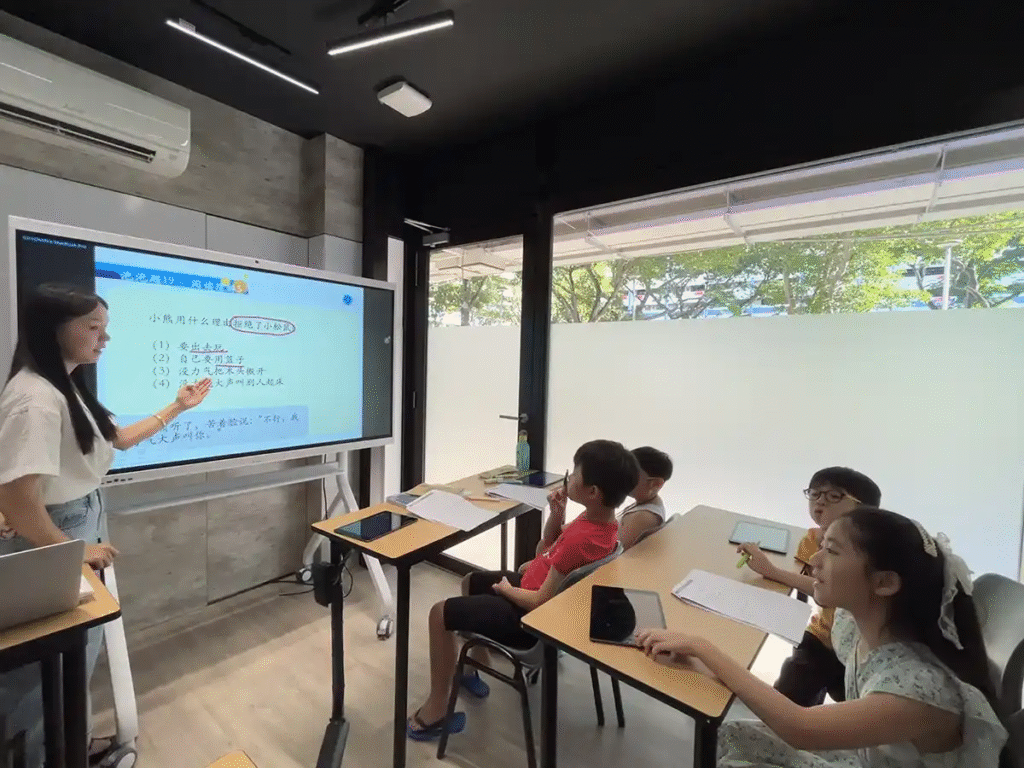
Numerous students have shared their positive experiences and academic achievements after enrolling in Chinese tuition programs in Singapore. These testimonials highlight the significant impact that targeted language support can have on a student’s overall performance.
For instance, Jane, a secondary student, expressed how her Chinese tuition classes improved her grades from a C to an A within a few months. Similarly, Tom, another student, credited his enhanced understanding of Chinese grammar and vocabulary to the personalized attention he received during tuition sessions.
Such success stories underscore the effectiveness of Chinese tuition in Singapore and its ability to empower students to excel academically. These testimonials serve as motivation for others seeking to enhance their Chinese language skills and academic performance.
Future Prospects and Recommendations
Looking forward, the evolution of Chinese tuition programs in Singapore holds promise for continued academic growth and linguistic proficiency among secondary students.
To enhance future prospects, educators should focus on incorporating interactive and engaging teaching methods that cater to individual learning styles. Additionally, offering specialized classes that target specific language skills such as writing, speaking, and comprehension can further boost students’ proficiency.
Implementing regular assessments and progress tracking mechanisms will allow for personalized guidance and support. Moreover, establishing partnerships with Chinese cultural organizations can provide students with immersive experiences that deepen their understanding and appreciation of the language.
Conclusion
In conclusion, Chinese tuition programs in Singapore have seen a growing demand due to the benefits they offer secondary students. These programs provide effective learning strategies that help students excel in their Chinese language skills. Testimonials from successful students attest to the positive impact of Chinese tuition on their academic performance.
Moving forward, it is recommended that students continue to engage in Chinese tuition to further enhance their language proficiency and academic success.