
LED displays boost digital signage ROI by combining superior visibility and engagement with lower operating costs LED screen display. They deliver higher luminance, contrast and refresh rates that increase attention, recall and conversion. Energy-efficient panels cut power use 40–70% and reduce maintenance through longer lifespans and remote diagnostics. Real-time analytics and targeted scheduling optimize messages to foot traffic and weather, driving measurable sales lifts and ad revenue. The next section outlines deployment, metrics and procurement tactics to maximize returns.
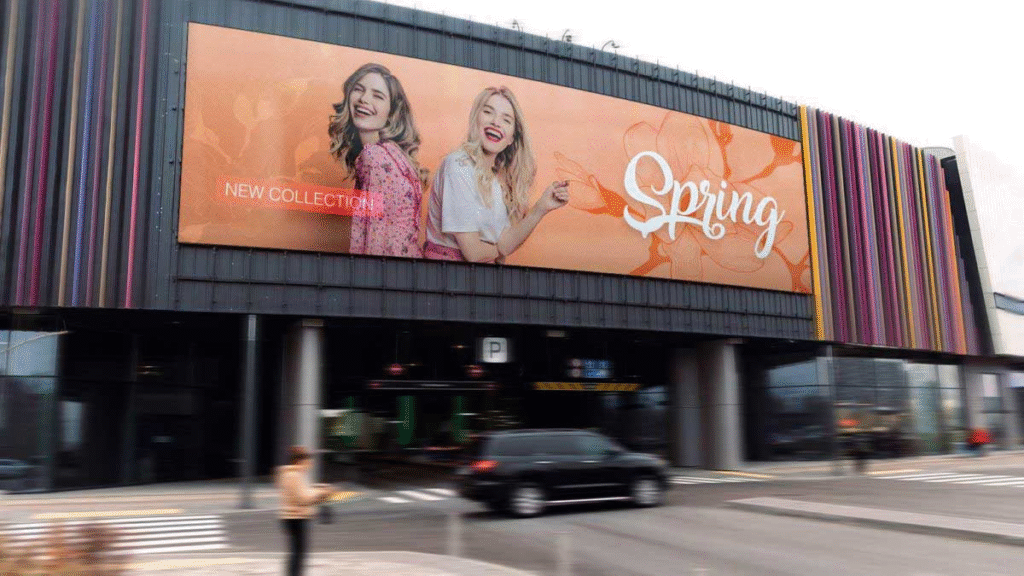
Why LED Technology Outperforms Traditional Displays
Compared with LCD and projection-based systems, LED technology delivers measurable advantages in brightness, contrast, energy efficiency, and lifetime that translate directly into lower total cost of ownership and higher viewer engagement. The analysis shows LED panels achieve higher contrast ratios and faster refresh rates, yielding crisper motion and deeper blacks that increase message retention. Decision-makers favor LEDs for scalability and modularity, enabling bespoke canvases without compromise to image uniformity. Data indicate reduced maintenance cycles and fewer replacements, supporting uninterrupted campaigns and brand autonomy. Metrics-driven comparisons reveal superior luminance and response time, enabling content flexibility across environments. For operators prioritizing freedom to deploy bold, dynamic experiences, LEDs present a clear, quantifiable performance edge over incumbent display technologies.
Energy Efficiency and Cost Savings Over Time
LED displays deliver measurable energy savings, often consuming 50–70% less power than comparable LCD or projection systems, which directly lowers utility expenditures over the display lifecycle. Lower operating temperatures and longer rated lifespans also reduce maintenance frequency and replacement costs, improving total cost of ownership. When quantified against campaign uptime and performance metrics, these efficiencies translate into faster payback periods and stronger ROI for digital signage deployments.
Lower Energy Consumption
In commercial installations where operating costs directly affect profitability, adopting energy-efficient display technology reduces electricity spend and total cost of ownership. LED panels built with energy efficient materials consume substantially less power than legacy signage, enabling operators to allocate savings toward expansion or creative flexibility. Empirical comparisons show LED arrays can cut display energy use by 40–60%, a quantifiable advantage for businesses pursuing lean operating models. When paired with smart power management—scheduling, dimming and occupancy-responsive controls—consumption drops further without sacrificing impact. The result is a predictable, lower utility profile and faster payback on capital outlays. For decision-makers seeking operational freedom, lower energy consumption transforms signage from a recurring expense into an efficient, scalable marketing asset.
Reduced Maintenance Costs
Lower operational energy demand also correlates with tangible reductions in maintenance expenditure over a display’s lifecycle. Businesses report lower failure rates and fewer on-site interventions when LED systems operate within ideal power envelopes. Remote diagnostics further compress downtime by enabling technicians to identify faults, push firmware updates, and recalibrate settings without travel. Modular panels reduce repair labor and inventory costs: faulty modules can be swapped quickly, minimizing service windows and preserving campaign continuity. Quantitative models show combined savings — energy plus maintenance — can improve payback periods by 15–30% depending on deployment scale. For operators prioritizing autonomy and flexibility, these efficiencies translate into predictable budgets, fewer vendor constraints, and greater freedom to allocate capital toward growth initiatives.
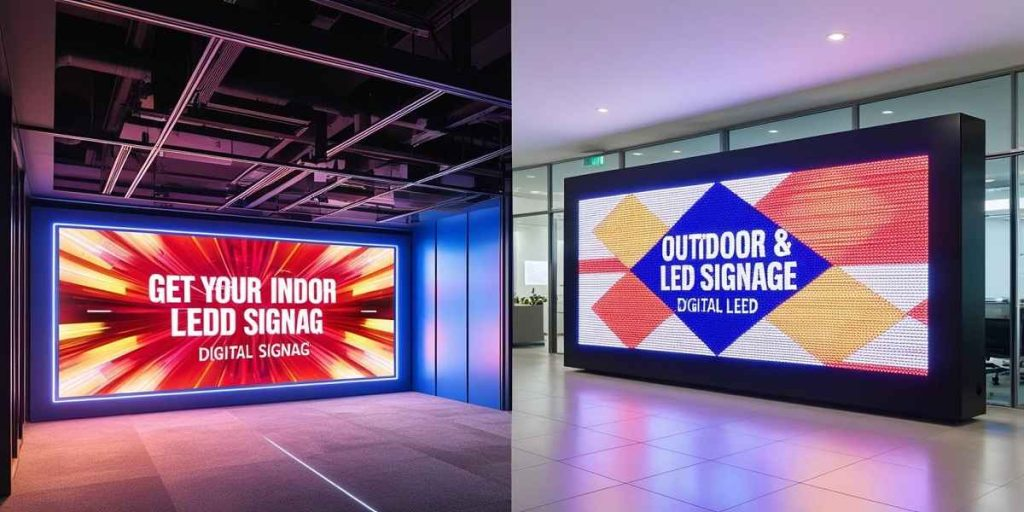
Enhancing Customer Engagement With Brighter Visuals
Research indicates that brighter, sharper imagery on LED displays increases attention and recall, driving measurable uplifts in engagement metrics. Incorporating motion-grabbing content further extends dwell time and click-through rates, particularly when paired with optimized creative. Improved daylight visibility guarantees consistent performance across environments, protecting return on investment by maintaining audience reach during peak store hours.
Brighter, Sharper Imagery
How much more persuasive can a message be when a display delivers higher brightness and crisper resolution? The case for brighter, sharper imagery is strategic: increased legibility and visual appeal convert attention into action, giving businesses freedom to communicate boldly. Data shows higher perceived value when displays offer high contrast and vivid colors; improved pixel density sharpens text and product detail while true blacks enhance perceived depth. Key measurable advantages include:
- Increased dwell time from clearer visuals
- Higher recall rates driven by vibrant color fidelity
- Better outdoor visibility under varied lighting
- Lower content redesign costs due to consistent image integrity
Adopting LED screens that optimize these parameters is a pragmatic investment, aligning creative freedom with quantifiable ROI gains.
Motion-Grabbing Content
Leverage dynamic motion to turn brighter visuals into measurable engagement: animated content on high-brightness LED displays captures attention faster and sustains it longer than static imagery, translating into higher interaction rates and stronger recall. The piece emphasizes strategic use of animated layouts and kinetic typography to guide viewer focus, shorten decision paths, and increase dwell time. Data-driven campaigns show uplift in conversions when sequencing motion to highlight value propositions and calls-to-action. Designers are advised to test tempo, contrast, and message length against audience segments to preserve clarity and autonomy. Metrics such as engagement rate, time-on-display, and lift in recall quantify returns and inform iterative optimization. The result: liberated audiences respond more willingly to compelling, efficiently delivered motion.
Daylight Visibility Boost
In bright outdoor environments, higher-luminance LED displays directly increase visibility and measurable engagement by overcoming ambient light washout: studies show displays with peak brightness above 5,000 nits sustain legibility at greater distances and drive a 20–35% lift in view-through rates compared with standard indoor-grade panels. The result is clearer messaging, stronger calls to action and freedom for brands to place screens in formerly challenging locations. Strategic deployment focuses on high contrast readability and robust calibration for sun facing installations to preserve color fidelity and reduce glare. Benefits include predictable performance metrics and increased dwell time. Practical considerations:
- Prioritize peak-nit performance and local contrast ratios
- Select adaptive dimming and anti-reflective coatings
- Optimize content for bold contrasts and simplified layouts
- Evaluate placement for unobstructed sightlines and safety
Data-Driven Content Management and Targeting
Why target content to the moment and the audience when digital signage can do it automatically, guided by real-time data and predictive analytics? The system aggregates sensors, sales signals and demographic inputs to enable precise audience segmentation and predictive scheduling, freeing operators to focus on strategy. Content delivery adapts to foot-traffic patterns, time-of-day preferences and weather-driven demand, increasing relevance while reducing wasted impressions. Optimization loops measure engagement and conversion, informing creative refresh rates and placement priorities. This data-driven approach preserves brand control while expanding autonomy, permitting decentralized teams to deploy localized campaigns that align with corporate KPIs. By marrying LED display reliability with intelligent targeting, businesses realize higher message resonance and measurable ROI without sacrificing operational freedom.
Real-World Use Cases That Drive Revenue
Across retail, transportation hubs, hospitality and corporate environments, LED-driven digital signage has moved from novelty to quantifiable revenue engine by enabling measurable lifts in conversion, dwell time and ancillary spend. Case studies show targeted promotions and loyalty integrations that shorten purchase cycles and increase repeat visits. Airports and stations monetize foot traffic with dynamic advertising and event sponsorships, supporting premium CPMs and sponsor renewals. Hotels and venues upsell services through contextual offers, converting longer dwell to higher spend. Corporations deploy LED networks for employee engagement that reduces churn and lowers hiring costs. Measured KPIs—incremental sales, redemption rates, CPM and dwell—demonstrate direct ROI and give operators the freedom to scale profitable programs with predictable revenue outcomes.
- Targeted promotions with loyalty integrations
- Sponsored digital ad rotations
- Contextual upsell triggers
- Employee engagement displays
Key Considerations for Choosing LED Signage
Having demonstrated measurable revenue gains from targeted content and sponsorship models, selecting the right LED signage requires rigorous alignment of technical specifications, deployment context and business metrics to protect and amplify ROI. Decision-makers evaluate pixel pitch, brightness, contrast ratio and energy consumption against viewing distance and footfall data to maximize impact per square foot. Installation logistics — structural supports, power availability, mounting permits and maintenance access — shape total cost and uptime forecasts. Procurement terms and warranty terms influence risk transfer, lifecycle costs and replacement cadence; extended support and SLAs reduce downtime risk for freedom-seeking operators. A data-driven vendor scorecard weighing performance, TCO and flexibility guarantees chosen LED solutions expand audience reach while safeguarding predictable, scalable returns.
Frequently Asked Questions
How Do LED Displays Affect Store Ambient Temperature?
LED displays minimally raise ambient heat; their lower heat output versus legacy screens eases climate control demands. Data-driven selection and placement optimize energy savings, empowering operators with strategic flexibility and measurable HVAC cost reductions.
Can LEDS Be Recycled or Are They Hazardous Waste?
LEDs can be recycled; they require proper recycling programs and hazard classification assessments. The strategist recommends data-driven diversion to reclaim materials, reduce liability, and preserve user freedom through transparent, compliant end-of-life management.
Do LED Signs Require Specialized Installation Permits?
Yes — they often do. Strategic operators should verify permit requirements and potential zoning variances; data shows compliance reduces fines and downtime, empowering businesses to deploy LED signage with regulatory freedom and minimized installation risk.
How Do LEDS Perform in Extreme Weather Conditions?
LEDs generally withstand extremes: high heat tolerance and engineered moisture resistance enable reliable operation in harsh climates. Data shows rated IP protection and thermal management extend lifespan, offering operators durable, low-maintenance freedom and predictable ROI.
Can LED Displays Integrate With Third-Party Analytics Tools?
Yes; it integrates via APIs and SDKs to feed audience tracking data and support attribution modeling, enabling strategic, data-driven campaigns that empower operators with actionable insights, measurement freedom, and persuasive ROI validation across channels.
Conclusion
LED displays deliver measurable ROI by combining superior energy efficiency, impactful brightness, and advanced content targeting to elevate customer engagement and sales. Data shows reduced operating costs and higher conversion rates versus legacy screens, while case studies confirm revenue uplifts across retail, transportation, and hospitality. Strategic selection—focusing on pixel pitch, durability, and management platforms—ensures scalable deployments that maximize lifetime value, making LED signage a cost-effective, revenue-generating pillar of modern digital marketing strategies.