
Preventing foot injuries during exercise requires matching footwear to activity and biomechanics, monitoring wear and midsole function, and choosing support based on individual response. Warm up with gradual cardiovascular work, ankle mobility drills, and progressive toe and calf strengthening that integrates single-leg balance. Manage skin and nails your mobile podiatrist, use moisture-wicking low‑friction socks, and treat superficial wounds promptly. Modify or stop activity for worsening pain, numbness, or inability to bear weight. Continue for practical guidance on assessment, load progression, and return-to‑activity strategies.
Choose the Right Shoes for Your Activity
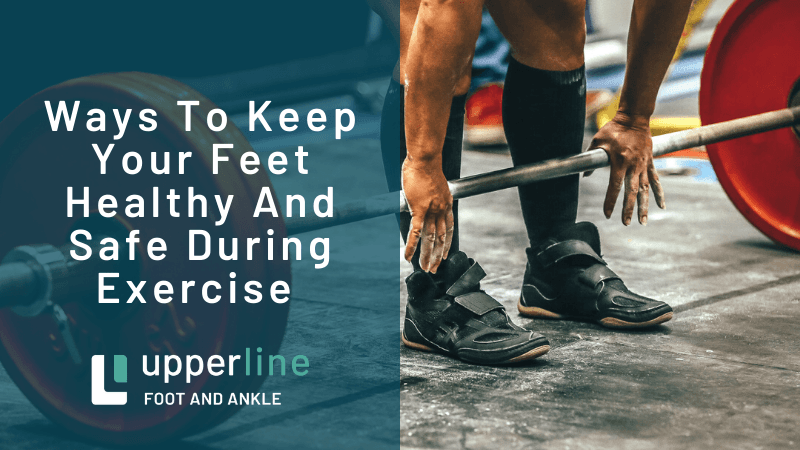
Select footwear that matches the biomechanical demands of the specific activity to reduce injury risk and optimize performance. The practitioner evaluates gait, surface, and load patterns to prescribe shoes with proper cushioning and activity specific fit. Evidence indicates task-aligned heel-to-toe drop, midsole density, and torsional stability modulate joint loading and fatigue.
A liberated exerciser benefits from objective assessment: tread condition https://peoplepodiatry.com.au/, arch support, and sole rigidity are matched to movement planes and intensity. Replace footwear at manufacturer-recommended mileage or when material degradation alters shock attenuation. Minimalism suits some, controlled support others; selection should reflect empirical response rather than trend. Footwear selection is a targeted intervention to minimize overuse injury, preserve mobility, and sustain autonomous participation in chosen activities.
Prep Your Feet: Warm-Ups, Mobility, and Strength Exercises
Because the foot functions as the foundation for dynamic movement, preparatory routines that combine targeted warm-up, joint mobilization, and intrinsic-strength exercises are essential to reduce injury risk and optimize performance.
A concise protocol begins with gradual cardiovascular elevation to increase tissue temperature, followed by specific ankle mobility drills (circumduction, dorsiflexion mobilizations) to restore range and proprioception.
Incorporate dynamic toe strengthening via resisted toe curls, towel scrunches, and short-foot lifts to enhance intrinsic muscle control.
Progress to single-leg balance and heel-raise variations to integrate kinetic chain stability.
Repetitions and load should follow progressive overload principles and be adjusted for symptom response.
Regular, brief sessions—performed pre-activity and as a maintenance routine—promote resilience, freedom of movement, and measurable reduction in foot-related exercise injuries.
Protect Against Blisters, Cuts, and Toenail Problems
Minimizing superficial foot injuries requires systematic attention to friction reduction, skin integrity, and nail care, as each factor independently elevates risk for blisters, lacerations, and subungual hematomas. Evidence supports targeted moisture management: keep feet dry with breathable footwear, antiperspirant agents when indicated, and timely drying after activity to reduce maceration and shear.
Sock selection should prioritize low-friction, moisture-wicking fabrics and appropriate cushioning to redistribute pressure points. Nails require routine trimming straight across and avoidance of excessive length to prevent impingement and hematoma formation.
For minor cuts, cleanse, apply sterile dressing, and monitor for infection; deeper wounds warrant professional assessment. These measures enable autonomy in training by reducing avoidable interruptions from common, superficial foot injuries.
Spot Early Warning Signs and When to Rest or See a Pro
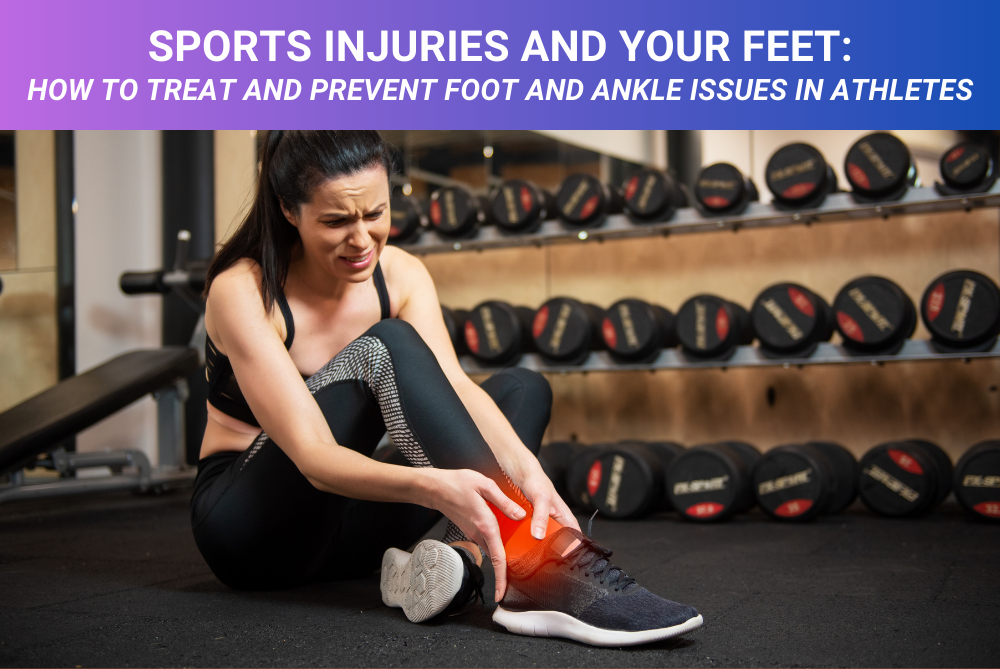
When should a practitioner or athlete consider modifying activity? Observable pain patterns that worsen with load, persistent swelling, numbness, or nocturnal pain signal need for activity modification.
Early identification of localized tenderness, interdigital irritation, or altered gait changes—such as limping, shortened stride, or asymmetric foot placement—warrants reduced intensity and diagnostic evaluation.
Immediate cessation and professional assessment are recommended for acute deformity, inability to weight-bear, suspected fracture, or progressive neurologic signs.
If symptoms persist beyond 7–10 days despite conservative off-loading and ice, referral to a podiatrist, sports medicine physician, or physical therapist is indicated. Imaging or nerve conduction studies should be considered when clinical findings suggest structural compromise or neuropathy.
Timely action preserves function and maintains long-term freedom of movement.
Adjust Training and Recovery to Prevent Overuse Injuries
Through structured periodization and monitored recovery metrics, clinicians and coaches can markedly reduce the incidence of overuse foot injuries in athletes. The approach emphasizes periodization strategies, gradual progression, scheduled rest, objective load monitoring (e.g., session RPE, GPS, step count), and targeted cross-training to maintain capacity while unloading foot tissues. Recovery modalities are prescribed based on measurable deficits and athlete autonomy, allowing individualized tapering and return-to-load plans. Evidence supports reducing weekly load increases to limit tissue overload and using progressive reintroduction after symptom resolution.
| Component | Intervention | Rationale |
|---|---|---|
| Load Management | Gradual progression (≤10% weekly) | Minimize cumulative microtrauma |
| Recovery | Scheduled rest + active recovery | Restore tissue homeostasis |
| Alternatives | Cross-training, strength | Preserve fitness, reduce foot stress |
Conclusion
Effective prevention of foot injuries during exercise relies on evidence-based interventions: selecting activity-appropriate footwear, implementing targeted warm-ups and strengthening, and applying preventive skin and nail care. Early recognition of pain, swelling, neurologic changes, or persistent dermatologic issues should prompt training modification and timely clinical assessment to avert progression. Structured load management, adequate recovery, and adherence to biomechanical and hygiene principles minimize acute and overuse pathology risk, optimizing functional outcomes and long-term mobility.