When seeking a pet vet near you Starlight, selecting the right one is paramount for your beloved companion’s well-being. This article delves into key factors to consider when making this crucial decision.
From evaluating location and accessibility to assessing veterinarian qualifications, services offered, facility standards, and cost considerations, empower yourself with the knowledge needed to choose a pet vet that aligns with your pet’s needs and your preferences.
Location and Accessibility
When selecting a pet vet near you, prioritizing convenient location and easy accessibility is crucial https://starlight-vet.com/. Having a veterinary clinic that is close to your home not only saves you time but also ensures that you can easily access care for your beloved pet when needed. The freedom to reach the vet quickly in case of emergencies or for regular check-ups is essential for both you and your furry companion. Additionally, a conveniently located pet vet allows for more flexibility in scheduling appointments, making it easier to provide your pet with the necessary medical attention without disrupting your daily routine.
An easily accessible location also promotes regular visits to the vet, which is vital for maintaining your pet’s health and well-being. When the clinic is nearby and easy to get to, pet owners are more likely to prioritize preventive care and routine check-ups, ultimately leading to happier and healthier pets. Therefore, when choosing a pet vet, consider the location and accessibility to ensure that you can provide the best possible care for your furry friend.
Veterinarian Qualifications
To ensure the best care for your pet, it is imperative to assess the qualifications of the veterinarian at the pet vet clinic near you. When choosing a veterinarian, look for individuals who have completed a Doctor of Veterinary Medicine (DVM) degree from an accredited institution. Additionally, consider veterinarians who pursue continuing education to stay updated on the latest advancements in veterinary medicine. Certification by the American Board of Veterinary Specialties (ABVS) in a specific area, such as internal medicine or surgery, can indicate a higher level of expertise in that field.
Experience is also a crucial factor. Veterinarians who have been practicing for several years have likely encountered a wide range of cases and developed valuable skills. However, newer veterinarians may bring fresh perspectives and knowledge gained from recent education.
Lastly, look for a veterinarian who demonstrates compassion, effective communication skills, and a genuine interest in the well-being of your pet. A good veterinarian should not only be knowledgeable but also able to build a trusting relationship with both you and your furry companion.
Range of Services Offered
One should assess the range of services offered by a pet vet clinic near them to ensure comprehensive care for their furry companion. A reputable pet vet clinic should provide a wide array of services to meet the diverse needs of pets.
Look for clinics that offer routine check-ups, vaccinations, dental care, surgical procedures, diagnostic testing, and emergency services. Additionally, grooming, boarding facilities, nutritional counseling, and behavioral training can enhance the overall well-being of your pet.
It is beneficial to choose a clinic that has a laboratory on-site for quick test results and a pharmacy for convenient access to medications. Some clinics may also offer alternative therapies such as acupuncture or physical therapy for pets with specific health conditions.
Facility Cleanliness and Atmosphere
Assessing the range of services offered by a pet vet clinic near you, including cleanliness and atmosphere, is essential for ensuring the well-being of your furry companion. When choosing a pet vet, pay close attention to the cleanliness of the facility. A clean environment is crucial in preventing the spread of diseases and infections among pets. The waiting area, examination rooms, and surgical areas should be tidy, odor-free, and well-maintained.
Additionally, a welcoming atmosphere can help reduce your pet’s anxiety during vet visits. Look for clinics with comfortable seating, soothing colors, and pet-friendly amenities to create a calming environment. A well-organized and serene clinic can make a significant difference in your pet’s overall experience and comfort level.
Cost and Payment Options
When considering a pet vet clinic near you, it is important to evaluate the cost and payment options available, as these factors are crucial for both your pet’s care and your financial planning. Before choosing a pet vet, inquire about the clinic’s fee structure. Some clinics may offer a range of services bundled together for a flat fee, while others may charge a la carte for each service provided. Understanding these cost details upfront can help you budget accordingly and avoid unexpected expenses.
Additionally, explore the payment options accepted by the pet vet clinic. Most clinics accept major credit cards, cash, and debit cards, but some may also offer financing plans or accept pet insurance. Pet insurance can help offset the cost of veterinary care, providing peace of mind in case of unexpected medical expenses for your furry friend. By selecting a pet vet clinic that aligns with your budget and offers flexible payment options, you can ensure that your pet receives the care they need without causing financial strain.
Conclusion
In conclusion, when selecting a pet vet, consider factors such as:
Location
Qualifications
Services offered
Cleanliness
Atmosphere
Cost
Payment options
These aspects are crucial in ensuring the well-being of your pet and receiving quality care. By carefully evaluating these factors, aaaaaaaaaaaaaaaaaaaaaaaaaaaaaaaaa11111111111you can make an informed decision and choose the right pet vet near you.
In the realm of artistic expression, Chinese calligraphy stands as a timeless embodiment of linguistic elegance and cultural heritage o level chinese tuition. Originating from ancient traditions, this art form intertwines brush strokes with profound meanings, creating a visual symphony of characters.
Through meticulous techniques and symbolic depth, each stroke tells a story, reflecting the evolution of styles and the aesthetic allure that captivates admirers. Join us on a journey to explore the art of Chinese calligraphy and unveil its linguistic beauty.
Origins of Chinese Calligraphy
The genesis of Chinese calligraphy can be traced back to ancient civilizations, embodying a profound cultural heritage and artistic tradition. Dating back over 4,000 years, Chinese calligraphy has roots deeply intertwined with the development of the Chinese writing system. Initially inscribed on oracle bones and bronze vessels https://www.yanzimandarin.com/, calligraphy in China evolved from practical communication to a revered art form.
The earliest forms of Chinese calligraphy were pictographs, representing objects or ideas. As society advanced, these pictographs transformed into more abstract and stylized characters, giving birth to various script styles such as seal script, clerical script, cursive script, and regular script. Each style reflects the historical context and artistic preferences of its era.
Chinese calligraphy not only serves as a tool for written communication but also conveys the artist’s emotions, personality, and spirit. It is a medium through which freedom of expression flourishes, allowing individuals to convey profound meanings through brushstrokes and ink. The origins of Chinese calligraphy are deeply rooted in the essence of human expression and creativity, making it a timeless art form cherished across the globe.
Techniques and Tools of Calligraphy
Calligraphers employ various specialized tools and techniques to create intricate strokes and characters in Chinese calligraphy. One essential tool is the brush, typically made of animal hair and bamboo, which allows for the variation in line thickness crucial to the art form. The ink, traditionally made from soot and animal glue, is another vital component, with different shades and consistencies adding depth and dimension to the characters.
Techniques in Chinese calligraphy often emphasize the flow and rhythm of the strokes. Calligraphers focus on controlling the brush pressure to create thin, delicate lines or bold, powerful strokes. The use of space and composition is also crucial, with skilled artists balancing characters within the designated area to create harmony and aesthetic appeal.
Furthermore, calligraphers often train for years to master the intricate movements required for each stroke. By practicing basic shapes repeatedly, they develop muscle memory and fluidity in their writing. Overall, the combination of specialized tools and practiced techniques allows calligraphers to create stunning works of art that exemplify the beauty and elegance of Chinese calligraphy.
Symbolism and Meaning in Characters
Symbolism plays a significant role in Chinese calligraphy, enriching characters with layers of meaning and cultural significance. Each stroke and component within a character can carry profound symbolism, reflecting elements of nature, history, philosophy, and societal values.
For example, the character for ‘peace’ (安) incorporates the radical for ‘roof’ over the character for ‘woman,’ symbolizing a woman under a roof, representing the concept of security and peace at home. Similarly, the character for ‘harmony’ (和) combines the radicals for ‘mouth’ and ‘grain,’ emphasizing the idea of people coming together to share food and conversation in unity.
These symbolic representations in Chinese characters not only convey linguistic meaning but also serve as visual representations of broader cultural ideals and beliefs. Understanding the symbolism behind each character adds depth and richness to the art of Chinese calligraphy, allowing for a more profound appreciation of the intricate intertwining of language, culture, and art.
Evolution of Calligraphy Styles
Exploring the historical progression of calligraphy styles reveals a fascinating evolution in the visual representation of linguistic artistry within Chinese characters. From the ancient oracle bone script to the seal script, clerical script, cursive script, and regular script, each style captures the essence of its era while showcasing the creativity and skill of the calligrapher. The evolution of calligraphy styles not only reflects changes in artistic preferences but also mirrors shifts in societal norms, cultural values, and technological advancements.
The oracle bone script, characterized by its pictographic nature, evolved into the more structured and angular seal script, which was used for official inscriptions and seals. As time progressed, the clerical script emerged with its simplified forms and increased efficiency for writing official documents. The cursive script introduced a more fluid and expressive style, paving the way for the elegant and widely adopted regular script that we see today. Each style embodies a unique beauty that continues to captivate audiences worldwide, showcasing the rich history and artistic depth of Chinese calligraphy.
Appreciating the Aesthetics of Calligraphy
The evolution of Chinese calligraphy styles showcases a profound appreciation for the aesthetics of linguistic artistry, highlighting the intricate balance between form and expression. Chinese calligraphy is not merely about writing characters; it is a visual art form that embodies the essence of Chinese culture. The aesthetics of calligraphy lie in its ability to convey emotions, thoughts, and cultural nuances through the brushstrokes of the artist. Each stroke carries meaning and intention, creating a harmonious composition that is both visually pleasing and intellectually stimulating.
Appreciating the aesthetics of calligraphy involves understanding the principles of balance, rhythm, and harmony within the artwork. The use of space, the flow of lines, and the variation in thickness all contribute to the overall beauty of the piece. A skilled calligrapher can evoke a range of emotions through their work, from tranquility and elegance to strength and power.
In essence, the aesthetics of calligraphy invite viewers to immerse themselves in the beauty of the written word, transcending linguistic barriers to appreciate the artistry and cultural significance it embodies.
Conclusion
In conclusion, Chinese calligraphy has a rich history and intricate techniques that have evolved over centuries. The symbolism and meaning in characters add depth and beauty to the art form, while the various styles showcase the creativity and skill of the calligrapher.
Appreciating the aesthetics of calligraphy allows for a deeper understanding of Chinese culture and language.
As a professional in the construction industry, you may have noticed the far-reaching effects of globalization on your projects sieve test. From supply chain dynamics to labor force composition, the interconnected world we operate in has reshaped how we approach construction projects. But have you considered the implications of regulatory harmonization, sustainable development, and market competition within this global framework? The impact of globalization goes beyond the surface, influencing not just how we build but also how we navigate challenges and seize opportunities in this ever-evolving landscape.
Global Supply Chain Integration
Global supply chain integration has become a critical factor in the success and efficiency of the construction industry in the era of globalization. By seamlessly connecting suppliers, manufacturers sieve test for aggregate, and distributors worldwide, construction companies can streamline operations, reduce costs, and improve project timelines. According to a report by McKinsey & Company, companies that actively integrate their supply chains experience on average 20% higher profitability compared to those that do not.
Efficient supply chain integration allows construction firms to access a broader pool of resources and materials from different parts of the world, enabling them to capitalize on cost advantages and technological advancements. For example, utilizing prefabricated components from overseas suppliers can significantly speed up construction processes while maintaining quality standards. This interconnectedness also enhances collaboration among project stakeholders, fostering innovation and best practice sharing.
Moreover, embracing global supply chain integration enables construction companies to adapt quickly to market fluctuations and demand shifts. By diversifying sourcing options and establishing strong relationships with international partners, firms can mitigate risks associated with disruptions and shortages, ensuring project continuity and competitiveness in the global market.
Labor Mobility and Diversity
Global labor exchange in the construction industry has facilitated the movement of skilled workers across borders, enhancing project efficiency and knowledge transfer.
The benefits of cultural integration through diverse labor forces are evident in improved collaboration, creativity, and problem-solving within construction teams.
Embracing labor mobility and diversity can lead to a more dynamic and competitive construction sector on a global scale.
Global Labor Exchange
The exchange of labor on a global scale significantly impacts the construction industry, influencing both mobility and diversity within the workforce. Global labor exchange allows for the movement of skilled workers to regions where their expertise is in demand, addressing labor shortages and enhancing project efficiency.
This exchange also brings diversity to construction sites, enriching teams with varied perspectives and approaches to problem-solving. According to a report by the International Labour Organization, around 164 million people work outside their home country, with a significant portion engaged in the construction sector.
This influx of diverse talent fosters innovation and cross-cultural collaboration, leading to improved project outcomes. Embracing global labor exchange can thus be a strategic advantage for construction companies seeking to thrive in an increasingly interconnected world.
Cultural Integration Benefits
Cultural integration benefits within the construction industry, stemming from labor mobility and diversity, play a crucial role in enhancing project outcomes and fostering innovation.
The exchange of ideas and practices among a diverse workforce leads to a more dynamic work environment, where different perspectives contribute to problem-solving and creativity. Research has shown that teams with a mix of cultural backgrounds tend to be more productive and adaptable when faced with complex challenges.
Additionally, labor mobility allows for the transfer of specialized skills across borders, filling gaps in expertise and promoting knowledge sharing. Embracing cultural integration in construction not only improves communication and collaboration but also enhances the industry’s ability to meet the demands of a globalized market.
Technological Innovation and Adoption
Technology in construction is rapidly evolving, impacting every aspect of the industry. Embracing innovation can lead to increased efficiency, cost savings, and improved safety standards.
It’s crucial for construction companies to adapt to new technologies to stay competitive in the global market.
Technology in Construction
Incorporating cutting-edge tools and systems has revolutionized the construction industry’s approach to project management and execution. The adoption of Building Information Modeling (BIM) software has significantly enhanced collaboration among different project stakeholders, leading to improved efficiency and accuracy in the planning and design phases.
Furthermore, the use of drones for site inspections and monitoring has enabled real-time data collection, enhancing safety protocols and providing valuable insights into project progress. Implementing advanced project management software has streamlined communication channels, reducing delays and cost overruns.
The integration of wearable technology and Internet of Things (IoT) devices has also optimized resource allocation and improved worker safety on construction sites. Overall, technological innovation in construction is reshaping traditional practices and driving industry progress.
Benefits of Innovation
The integration of cutting-edge technology in the construction industry has resulted in a paradigm shift, enhancing project management practices and boosting overall efficiency. Technological innovation has brought about significant benefits, such as improved accuracy in project planning through Building Information Modeling (BIM). This advanced tool allows for precise visualization of project elements, aiding in detecting clashes and optimizing construction sequences.
Furthermore, the adoption of drones for site surveys and inspections has revolutionized data collection, enabling real-time monitoring and progress tracking. Virtual Reality (VR) and Augmented Reality (AR) applications have enhanced collaboration among stakeholders, facilitating better decision-making and reducing errors. Embracing these innovative technologies not only streamlines processes but also leads to cost savings and improved project outcomes.
Cultural Exchange and Influence
Cultural exchange and influence in the construction industry play a crucial role in shaping project outcomes and fostering cross-border collaboration. Different cultures bring diverse perspectives, architectural styles, and construction techniques to the table. This interchange of ideas can lead to innovative solutions and improved efficiency in project delivery. For example, Japanese construction practices emphasize precision and attention to detail, which have influenced projects worldwide, leading to higher quality standards in the industry.
Moreover, cultural exchange fosters a deeper understanding and appreciation of different working styles and approaches. This understanding can help mitigate misunderstandings and conflicts that may arise in international construction projects. By embracing cultural diversity, construction companies can leverage the strengths of each culture involved, leading to more successful project outcomes.
In a globalized construction industry, where teams often comprise members from various cultural backgrounds, the ability to navigate and integrate these influences is essential for achieving project success. Embracing cultural exchange not only enriches project outcomes but also promotes a more inclusive and collaborative working environment.
Regulatory Harmonization Challenges
Addressing the challenge of regulatory harmonization in the construction industry requires a strategic approach to streamline processes and ensure compliance across borders. Harmonizing regulations is crucial for companies operating in multiple countries to navigate legal complexities efficiently. Currently, discrepancies in building codes, safety standards, and permit requirements pose significant obstacles to global construction projects.
According to a study by the International Code Council, 67% of construction professionals encounter challenges due to regulatory misalignment when working internationally. These inconsistencies lead to delays, increased costs, and legal issues, hampering the industry’s growth potential.
To tackle these challenges, industry stakeholders need to advocate for standardized regulations that encompass best practices from different regions. Collaborating with international organizations such as the International Code Council and the International Organization for Standardization can facilitate the development of unified regulatory frameworks. By promoting regulatory harmonization, construction companies can enhance operational efficiency, reduce risks, and promote a more sustainable global construction ecosystem.
Sustainable Development Practices
Implementing sustainable development practices in the construction industry requires a comprehensive approach that integrates environmental considerations with economic viability and social responsibility. By adopting sustainable practices, construction companies can reduce their environmental impact, improve resource efficiency, and enhance their reputation. Studies have shown that integrating sustainable practices into construction projects can lead to long-term cost savings through energy efficiency, waste reduction, and lower maintenance costs.
Additionally, sustainable buildings tend to have higher property values, lower vacancy rates, and increased tenant satisfaction. Embracing sustainable development also aligns construction companies with global trends towards environmental stewardship and social responsibility. Many governments and organizations now require or incentivize sustainable building practices through green building certifications and regulations.
Market Competition and Pricing Pressures
In the highly competitive construction industry, pricing pressures significantly impact market dynamics and business strategies. With globalization facilitating easier access to international markets, construction companies now face heightened competition not only locally but also from global players. This increased competition exerts downward pressure on prices as firms strive to offer the most attractive rates to secure projects.
Market competition and pricing pressures have led to a shift in how construction companies operate. To stay competitive, firms are compelled to streamline their processes, optimize resource allocation, and enhance efficiency in order to offer competitive pricing while maintaining profitability. This has prompted a focus on technological advancements, innovative construction methods, and strategic partnerships to drive down costs and deliver projects more efficiently.
Moreover, pricing pressures have also influenced client expectations, with many seeking high-quality construction services at lower costs. As a result, construction firms must continuously adapt their pricing strategies and value propositions to meet evolving market demands while ensuring sustainable growth in an increasingly competitive landscape.
Infrastructure Investment Trends
Infrastructure investment trends in the construction industry reflect shifting patterns in funding allocation and project prioritization globally. As of late, there’s been a noticeable increase in infrastructure spending, driven by the need for modernization, sustainability, and improved connectivity. Developing countries are significantly ramping up their investments to bridge the infrastructure gap, while developed nations are focusing on upgrading existing structures.
Data shows that transportation infrastructure, including roads, bridges, and public transit systems, remains a key area for investment globally. In addition, energy infrastructure projects, such as renewable energy facilities and smart grids, are gaining traction due to environmental concerns and the push for greener solutions. Water and wastewater infrastructure is also receiving attention, particularly in regions facing water scarcity issues.
Furthermore, public-private partnerships (PPPs) are becoming more prevalent as a way to fund large-scale projects efficiently. These partnerships allow for risk-sharing and bring private sector expertise into traditionally public sector-dominated projects. Overall, the trends indicate a concerted effort towards building robust, sustainable, and technologically advanced infrastructure systems to support economic growth and societal needs.
Risk Management and Resilience Strategies
As infrastructure investment trends continue to evolve globally, addressing risk management and implementing resilience strategies becomes imperative for ensuring the long-term success and sustainability of construction projects. Risk management in construction involves identifying potential risks, assessing their impact, and developing strategies to mitigate or eliminate them. This process is crucial in a globalized industry where projects face a myriad of risks such as natural disasters, political instability, supply chain disruptions, and economic fluctuations.
Resilience strategies, on the other hand, focus on enhancing a project’s ability to adapt and recover from unforeseen events. This can include utilizing resilient materials, incorporating flexible design features, and establishing robust communication channels among stakeholders. By integrating risk management and resilience strategies into construction projects, stakeholders can better anticipate and respond to challenges, ultimately reducing project delays, cost overruns, and potential failures. Embracing a proactive approach to risk management and resilience not only safeguards investments but also promotes the long-term viability of construction projects in an increasingly interconnected global market.
Conclusion
In conclusion, the impact of globalization on the construction industry has been profound, driving global supply chain integration, labor mobility, technological innovation, and cultural exchange.
While challenges such as regulatory harmonization and pricing pressures persist, companies are adapting with sustainable practices, infrastructure investments, and risk management strategies.
The industry’s resilience and ability to evolve in response to globalization will continue to shape its future trajectory and success.
When it comes to your furry companion, ensuring they receive proper nutrition is paramount. Have you ever wondered about the differences between wet and dry pet food? The choice between the two can significantly impact your pet’s health and well-being https://nourish.petuniverse.com/. Let’s explore how this decision can play a crucial role in their overall diet and what factors you should consider when selecting the best option for your beloved pet.
Importance of Pet Food
Importance of Pet Food can’t be overstated when it comes to ensuring the health and well-being of your beloved animals. The food you choose for your pets plays a crucial role in their overall health, energy levels, and longevity. Providing a balanced and nutritious diet is essential for their growth, development, and immune system function.
Pet food serves as the primary source of essential nutrients like protein, vitamins, and minerals that your pets need to thrive. It’s tailored to meet the specific dietary requirements of different animals, taking into account their age, size, breed, and activity level. By selecting high-quality pet food, you can help prevent nutritional deficiencies and maintain your pets at a healthy weight.
Moreover, the right pet food can also contribute to your animal’s dental health, skin and coat condition, and digestion. Making informed choices about your pet’s diet is a responsibility that directly impacts their quality of life. Always consult with your veterinarian to determine the best food options for your furry companions.
Types of Pet Food
When considering the nutritional needs of your pet, it’s crucial to understand the various types of pet food available in the market. Pet food generally falls into three main categories: dry, wet, and raw.
Dry food, also known as kibble, is convenient and has a long shelf life. It can help keep your pet’s teeth clean but may lack moisture.
Wet food comes in cans or pouches and is often more palatable for picky eaters. It provides extra hydration but can be more expensive and spoil quickly.
Raw food diets consist of uncooked ingredients like meat, bones, fruits, and vegetables. Advocates claim it mimics a natural diet but it requires careful handling to avoid contamination.
Some pet owners choose to mix different types of food to provide a balanced diet. Understanding the pros and cons of each type of pet food can help you make an informed decision that suits your pet’s needs.
Key Nutrients for Pets
Understanding the essential key nutrients required by your pet is fundamental for maintaining their overall health and well-being. Just like humans, pets need a balanced diet to thrive.
Protein is crucial for muscle growth and repair, and it can come from sources like meat, fish, and eggs. Fats provide energy and support cell function, with omega-3 and omega-6 fatty acids being particularly beneficial for skin and coat health. Carbohydrates supply energy, while vitamins and minerals play vital roles in various bodily functions.
Calcium aids in bone strength, while vitamin A is essential for vision. Water is perhaps the most critical nutrient, as it regulates body temperature and aids in digestion.
When choosing pet food, ensure it contains these key nutrients in the right proportions to meet your pet’s specific needs. Regularly monitoring your pet’s health and consulting with a veterinarian can help ensure they’re receiving adequate nutrition for a happy and healthy life.
Reading Pet Food Labels
When evaluating pet food labels, it’s crucial to focus on key nutritional information, the quality of ingredients listed, and understanding the feeding guidelines provided.
By examining these points, you can make informed decisions about the food you choose for your pet, ensuring they receive the essential nutrients they need for optimal health.
Paying attention to these factors will help you select a pet food that meets your furry friend’s dietary requirements.
Key Nutritional Information
To ensure your pet receives the essential nutrients they need, carefully reading pet food labels is crucial. When examining the labels, focus on key nutritional information such as protein content, fat levels, carbohydrates, vitamins, and minerals.
The protein source should be specified, like chicken or beef, and ideally listed as the first ingredient. Check the fat content, ensuring it’s at an appropriate level for your pet’s health requirements. Carbohydrates shouldn’t be excessive, and the presence of essential vitamins and minerals is vital for overall well-being.
Understanding these details empowers you to make informed decisions about your pet’s diet, promoting their health and happiness. Remember, knowledge is key to providing the best nutrition for your furry friend.
Ingredient Quality Check
Carefully examining pet food labels for ingredient quality is paramount in ensuring your pet’s dietary needs are met adequately. Look for specific ingredients like real meat sources (e.g., chicken, beef) listed among the first few on the label.
Avoid vague terms like ‘meat by-products’ or ‘animal digest.’ Opt for natural preservatives like Vitamin E (mixed tocopherols) over artificial ones like BHA, BHT, or ethoxyquin.
Whole grains and vegetables should also be present to provide essential nutrients and fiber. Be wary of excessive fillers such as corn, wheat, or soy, which offer limited nutritional value.
Understanding Feeding Guidelines
Ensure you understand the feeding guidelines by carefully reading pet food labels before selecting the ideal option for your furry companion. Feeding guidelines on pet food labels provide essential information on the recommended serving sizes based on your pet’s weight and activity level.
It’s crucial to follow these guidelines to prevent overfeeding or underfeeding, which can lead to health issues. Remember that every pet is unique, so adjust the portions as needed to maintain a healthy weight.
Pay attention to the calorie content per cup and the frequency of feeding recommended. Understanding these guidelines will help you make informed decisions about your pet’s nutrition, ensuring they receive the right balance of nutrients for their well-being.
Wet Vs. Dry Food
When deciding between wet and dry pet food, it’s important to consider the nutrient content differences, as each option offers unique benefits.
Your pet’s taste preferences should also be taken into account, as some animals may prefer the texture or flavor of one type over the other.
Additionally, the choice between wet and dry food can impact your pet’s dental health, with some options providing benefits for oral hygiene.
Nutrient Content Differences
Comparing the nutrient content between wet and dry pet food reveals significant differences in their overall composition and benefits for your pet’s health.
Wet food generally contains higher moisture content, which can help keep your pet hydrated. It also tends to have more protein and fewer carbohydrates per serving than dry food.
On the other hand, dry food is more convenient, has a longer shelf life, and can help maintain dental health by reducing tartar buildup.
When choosing between wet and dry food for your pet, consider their specific dietary needs and preferences. Consulting with your veterinarian can provide valuable insights into which type of food would be most suitable for your furry friend’s overall well-being.
Taste Preferences of Pets
Pets exhibit distinct taste preferences between wet and dry food, influencing their overall satisfaction with meal choices. While some pets may prefer the moisture and richer flavors of wet food, others may lean towards the crunchiness and convenience of dry kibble. It’s essential to observe your pet’s reactions and adjust their diet accordingly to ensure they’re enjoying their meals.
Wet food can be more palatable for pets with dental issues or those who struggle to stay hydrated. On the other hand, dry food can help promote dental health by reducing plaque and tartar buildup. Understanding your pet’s taste preferences can lead to a happier dining experience and overall well-being.
Dental Health Benefits
To assess the dental health benefits of wet and dry pet food, consider the impact of texture and moisture content on plaque and tartar buildup.
Wet food’s high moisture content can help keep your pet’s teeth cleaner by reducing the likelihood of plaque formation. However, the soft texture of wet food may not provide enough abrasive action to prevent tartar accumulation effectively.
On the other hand, dry food’s crunchy texture can help mechanically scrub your pet’s teeth, reducing plaque and tartar buildup. Yet, if your pet tends to gulp down dry food without chewing, the dental benefits might be diminished.
Ultimately, a combination of both wet and dry food, along with regular dental care, can contribute to your pet’s overall dental health.
Homemade Pet Food
Considering the nutritional needs of your furry companions, homemade pet food can provide a tailored and wholesome diet that suits their individual requirements. When preparing homemade pet food, you have the freedom to select high-quality ingredients, ensuring that your pets receive a balanced and nutritious meal. By controlling the ingredients and cooking process, you can avoid additives and preservatives that are often found in commercial pet foods.
To create a well-rounded homemade pet food meal, it’s essential to include a protein source such as lean meats, fish, or eggs. Carbohydrates like brown rice, sweet potatoes, or oats can provide energy for your pets. Vegetables and fruits offer essential vitamins and minerals, while supplements like fish oil can support your pet’s overall health.
Remember to consult with your veterinarian or a pet nutritionist to ensure that your homemade pet food recipes meet all of your pet’s dietary needs. Additionally, always practice safe food handling techniques to prevent contamination and maintain freshness. Homemade pet food can be a rewarding way to show your pets love and care through their meals.
Special Dietary Needs
When adapting homemade pet food recipes to accommodate special dietary needs, it’s important to make informed adjustments that cater to your pet’s specific requirements. If your pet has special dietary needs, such as food allergies or sensitivities, it’s crucial to identify and eliminate any ingredients that may trigger adverse reactions. Common allergens for pets include wheat, soy, dairy, and certain proteins like chicken or beef. Consider substituting these ingredients with hypoallergenic alternatives like turkey, duck, or venison.
For pets with medical conditions such as kidney disease or diabetes, it’s essential to consult with a veterinarian to create a customized diet plan. These conditions may require specific nutrient ratios, limited phosphorus or sodium content, or controlled carbohydrate intake. When adjusting recipes for these needs, focus on providing high-quality protein sources, healthy fats, and complex carbohydrates in appropriate quantities.
Choosing the Best Food
For optimal pet health and well-being, selecting the best food involves carefully evaluating the nutritional content and ingredient quality. When choosing pet food, prioritize products that list high-quality proteins like meat, fish, or poultry as the main ingredients.
Avoid foods with excessive fillers such as corn, wheat, or soy, as these may not provide the essential nutrients your pet needs. Look for options that contain vitamins, minerals, and antioxidants to support your pet’s overall health.
It’s crucial to consider your pet’s specific dietary requirements based on factors like age, breed, and activity level. Reading labels attentively and understanding the ingredients can help you make informed decisions about what to feed your pet. Additionally, consulting with a veterinarian can provide valuable insights tailored to your pet’s individual needs.
Keep in mind that the best food for one pet may not be suitable for another, so it’s essential to find the right balance that works for your furry companion.
Tips for Feeding Pets
To ensure your pet’s nutritional needs are met adequately, implementing effective feeding strategies is key in promoting their overall health and well-being.
Firstly, establish a consistent feeding schedule to regulate your pet’s eating habits. This routine helps maintain their digestive health and prevents overeating.
Secondly, measure the portions according to your pet’s size, age, and activity level. Providing the right amount of food prevents obesity and ensures they receive all the necessary nutrients.
Additionally, choose high-quality pet food that aligns with your pet’s dietary requirements. Look for options with real meat as the primary ingredient and avoid artificial additives. Remember to provide access to fresh water at all times to keep your pet hydrated.
Lastly, monitor your pet’s weight and adjust their food intake accordingly. Regularly consulting with a veterinarian can also help tailor a feeding plan specific to your pet’s needs. By following these tips, you can help your furry companion lead a healthy and happy life.
Conclusion
In conclusion, the significance of providing high-quality pet food tailored to your pet’s specific needs can’t be overstated. Understanding key nutrients, reading labels, and considering special dietary requirements are essential for maintaining your pet’s health and well-being.
Whether choosing wet or dry food, or even preparing homemade meals, prioritize balanced nutrition for a happy and healthy life for your beloved companion. Remember, the right food choices play a crucial role in ensuring a long and fulfilling life for your pet.
In the realm of financial management, the utilization of SAP Accounting Software in Malaysia has garnered attention for its ability to revolutionize traditional accounting practices. This software solution caters to the intricate needs of businesses operating in the Malaysian market sap b1 malaysia, offering a sophisticated array of features designed to enhance efficiency and compliance. With a focus on automation, real-time data analytics, and seamless integration capabilities, SAP Accounting Software presents a compelling proposition for companies seeking to elevate their financial operations to new heights.
Benefits of SAP Accounting Software
When considering the benefits of SAP Accounting Software in Malaysia, one cannot overlook its unparalleled efficiency in streamlining financial processes. SAP software automates tasks such as invoicing https://aspert.com.my/solutions/sap-business-one/, payment processing, and financial reporting, reducing the time and effort required for these activities. This efficiency not only saves businesses valuable time but also minimizes the risk of errors that can occur with manual processes.
Another significant benefit of SAP Accounting Software is its ability to provide real-time insights into financial data. With accurate and up-to-date information at their fingertips, businesses in Malaysia can make informed decisions quickly, leading to improved financial performance and strategic planning. Additionally, the software’s advanced reporting capabilities allow for in-depth analysis of financial data, enabling businesses to identify trends, opportunities, and potential areas for cost savings or revenue generation.
Furthermore, SAP Accounting Software enhances data security by centralizing financial information and implementing robust security measures to protect sensitive data from unauthorized access or cyber threats. This level of security is crucial for businesses operating in Malaysia, where data privacy and protection regulations are increasingly stringent.
Key Features for Malaysian Businesses
In evaluating SAP Accounting Software for Malaysian businesses, it is essential to delve into the key features that cater specifically to the needs and requirements of this market. One crucial feature is compliance with Malaysian financial regulations and standards, ensuring that businesses can easily adhere to local laws.
Another significant aspect is multi-currency support, vital for companies engaging in international trade within Malaysia’s diverse economic landscape. Additionally, localization capabilities such as language support for Bahasa Malaysia and English facilitate seamless communication and operations within the organization.
Furthermore, integration with other SAP modules like inventory management and HR streamlines business processes, enhancing efficiency and productivity. Customization options tailored to Malaysian taxation requirements enable accurate financial reporting and compliance. Mobile accessibility allows for on-the-go monitoring and decision-making, crucial for dynamic Malaysian businesses.
Lastly, robust security features safeguard sensitive financial data, providing peace of mind in an age of increasing cyber threats. These key features collectively make SAP Accounting Software a valuable asset for Malaysian businesses seeking to optimize their financial management processes.
Implementation Process in Malaysia
The successful implementation of SAP Accounting Software in Malaysia requires meticulous planning and strategic coordination to ensure seamless integration with existing systems and processes. The first step in the implementation process involves conducting a thorough analysis of the organization’s current accounting practices, identifying areas that can be improved or automated through SAP software. This analysis helps in customizing the software to fit the specific needs of the business.
Next, a detailed project plan outlining key milestones, timelines, and responsibilities is developed to guide the implementation process. Adequate training for employees is crucial to ensure a smooth transition to the new system. This includes training on how to use the software effectively and adapt to new processes.
Regular communication and feedback mechanisms are established to address any issues that may arise during the implementation phase. Additionally, continuous testing and quality assurance checks are conducted to guarantee the accuracy and reliability of the system. By following these meticulous steps, businesses in Malaysia can successfully implement SAP Accounting Software and streamline their accounting processes.
Integration With Local Tax Regulations
Ensuring seamless integration of SAP Accounting Software with local tax regulations in Malaysia is essential for businesses to maintain compliance and optimize financial processes. Malaysia has specific tax laws and regulations that companies need to adhere to, including Goods and Services Tax (GST) and income tax requirements. SAP Accounting Software can be customized to align with these regulations, ensuring that businesses accurately calculate and report their taxes.
Integration with local tax regulations in Malaysia involves configuring the software to automatically apply the correct tax rates, generate tax reports, and facilitate compliance with tax filing deadlines. By integrating SAP Accounting Software with local tax regulations, businesses can reduce the risk of errors in tax calculations, avoid penalties for non-compliance, and streamline their tax reporting processes.
Moreover, aligning the software with Malaysian tax regulations enables businesses to gain insights into their tax liabilities, manage tax credits efficiently, and make informed financial decisions. Overall, seamless integration with local tax regulations enhances the effectiveness of SAP Accounting Software in meeting the specific tax compliance needs of businesses operating in Malaysia.
Customer Support and Training Services
Effective utilization of SAP Accounting Software in Malaysia necessitates robust customer support and comprehensive training services to enhance user proficiency and system efficiency. Customer support plays a crucial role in addressing any software-related queries, technical issues, or customization requirements that users may encounter during their operations. A responsive support team ensures minimal downtime and quick resolution of issues, thereby optimizing the software’s performance.
Training services are equally vital as they empower users with the knowledge and skills needed to navigate the software effectively, utilize its features to the fullest, and stay updated on the latest functionalities. Tailored training programs can cater to different user levels, from beginners to advanced users, ensuring that each individual maximizes their productivity with the SAP Accounting Software.
Conclusion
In conclusion, SAP Accounting Software in Malaysia offers businesses a comprehensive solution for efficient financial management, compliance with local regulations, and support for international trade.
With its automation, real-time insights, and advanced reporting features, Malaysian companies can streamline their accounting operations effectively.
The software’s integration with other SAP modules, customization options for taxation requirements, and robust customer support and training services make it a valuable asset for businesses in the Malaysian market.
In the realm of modern business practices malaysia e-invoicing, the concept of e-invoicing in Malaysia stands as a pivotal advancement reshaping financial transactions. As businesses navigate the intricate landscape of digital transformation, understanding the intricacies of e-invoicing becomes paramount. The evolution of invoicing methods, the legal framework governing e-invoicing, and the tangible benefits it offers are all essential components for businesses aiming to stay ahead in a competitive market. By exploring the nuances of e-invoicing in Malaysia, a deeper comprehension of its impact and potential future trends can be uncovered.
Evolution of Invoicing Methods
In the realm of business transactions, the evolution of invoicing methods has undergone significant transformations over time, adapting to technological advancements and changing market demands. Traditional paper-based invoices have gradually shifted towards electronic formats, offering increased efficiency, cost-effectiveness, and environmental sustainability.
The introduction of E-invoicing systems has revolutionized the way businesses manage their financial processes, enabling real-time tracking, automation of tasks, and streamlined payment procedures https://aspert.com.my/e-invoice/. This shift towards digital invoicing methods has not only simplified operations but also enhanced transparency and compliance with regulatory requirements.
As businesses continue to embrace digital transformation, the evolution of invoicing methods is poised to further optimize efficiency and productivity in the modern business landscape.
Legal Framework for E-Invoicing
The legal framework governing E-invoicing in Malaysia provides a structured foundation for electronic billing processes within the business landscape. In Malaysia, the adoption of e-invoicing is guided by the Electronic Commerce Act 2006 and the Goods and Services Tax Act 2014, which set the legal standards for electronic transactions, including invoicing. These regulations ensure the authenticity, integrity, and confidentiality of electronic invoices, giving them the same legal status as traditional paper invoices.
Additionally, the Inland Revenue Board of Malaysia (LHDN) has provided guidelines on the implementation and acceptance of e-invoices for tax purposes. By adhering to these legal requirements, businesses in Malaysia can streamline their invoicing processes and ensure compliance with the law.
Benefits of E-Invoicing in Malaysia
Implementing e-invoicing solutions in Malaysia can significantly enhance operational efficiency and financial management for businesses. By transitioning from traditional paper-based processes to electronic invoicing, companies can streamline their invoicing procedures, reduce manual errors, and accelerate payment cycles.
E-invoicing also promotes cost savings through decreased paper usage, postage, and storage expenses. Moreover, it enhances transparency in transactions, improves data accuracy, and enables real-time tracking of invoice statuses.
With the implementation of e-invoicing, businesses in Malaysia can experience improved cash flow management, better compliance with regulatory requirements, and strengthened relationships with suppliers and customers. Overall, the adoption of e-invoicing brings numerous benefits that can drive growth and competitiveness in the business landscape of Malaysia.
Implementation Process for Businesses
With the benefits of e-invoicing in Malaysia established, businesses now face the task of effectively integrating electronic invoicing systems into their operations to realize these advantages. The implementation process for businesses typically involves several key steps.
Firstly, businesses need to assess their current invoicing processes and identify areas where electronic invoicing can be seamlessly integrated. Next, selecting a reliable e-invoicing solution provider is crucial to ensure smooth implementation and compliance with local regulations.
Training employees on how to use the new system efficiently is also essential for successful adoption. Additionally, businesses must test the electronic invoicing system thoroughly before full deployment to iron out any potential issues.
Future Trends in E-Invoicing
In the realm of electronic invoicing, the landscape is constantly evolving with emerging trends shaping the future of financial transactions.
One notable trend is the increasing adoption of blockchain technology to enhance the security and transparency of e-invoices. Blockchain offers decentralized storage, ensuring data integrity and reducing the risk of fraud.
Another trend is the integration of artificial intelligence and machine learning algorithms to automate invoice processing, improving efficiency and reducing errors.
Additionally, there is a growing emphasis on interoperability standards to enable seamless communication between different e-invoicing platforms.
These trends indicate a shift towards more secure, efficient, and interconnected e-invoicing systems that are poised to revolutionize financial operations for businesses in Malaysia and beyond.
Conclusion
In conclusion, e-invoicing in Malaysia has evolved as a more efficient and secure method for businesses to exchange invoices electronically.
With a strong legal framework in place, the benefits of e-invoicing include streamlined processes, reduced errors, and increased compliance with regulations.
As businesses in Malaysia continue to adopt e-invoicing, future trends indicate further advancements in digital financial processes, ultimately leading to improved operational efficiency and cost savings.
In this article, you’ll discover effective strategies for healing after surgery 箭猪枣. Learn how to:
Manage pain
Fuel your body with proper nutrition
Follow exercise recommendations
Care for wounds
Nurture your emotional well-being
These tips will empower you as you navigate the journey to recovery.
Pain Management Techniques
When managing post-surgery pain 天天枣上好, it’s essential that you follow your healthcare provider’s recommendations for optimal recovery. Your provider may suggest a combination of medication, rest, and gentle movement to help you heal effectively. It’s crucial to communicate any pain levels or concerns with your healthcare team promptly.
Engaging in relaxation techniques like deep breathing, mindfulness, or visualization can also aid in managing discomfort. Don’t hesitate to ask about alternative pain relief options if traditional medications aren’t providing adequate relief.
Proper Nutrition Recommendations
For optimal post-surgery recovery, prioritize nourishing your body with a balanced diet rich in essential nutrients. Fueling yourself with whole foods like fruits, vegetables, lean proteins, and whole grains can expedite your healing process.
Incorporate foods high in vitamins A, C, and D to boost your immune system and aid in tissue repair. Hydrate well with water and herbal teas to aid digestion and flush out toxins.
Limit processed foods, sugary drinks, and excessive caffeine, as they can hinder your recovery. Listen to your body’s hunger and fullness cues, and eat mindfully.
Small, frequent meals can help maintain energy levels and promote healing without overwhelming your system. Remember, nourishing your body is a crucial part of your recovery journey.
Exercise Guidelines
To aid in your recovery process, gradually incorporate gentle exercises recommended by your healthcare provider. Start with short walks or light stretching to improve blood circulation and prevent stiffness.
Listen to your body and avoid any movements that cause pain or discomfort. As you progress, your provider may suggest specific exercises to target areas affected by surgery.
Remember, consistency is key but don’t push yourself too hard. Slowly increase the intensity and duration of your workouts as you regain strength. Stay hydrated, wear comfortable clothing, and use proper form to prevent injuries.
Respect your body’s limits and celebrate small victories along the way. Exercise is a vital part of your healing journey, so enjoy the process and trust your body’s abilities.
Wound Care Tips
Ensure you keep the wound clean and dry to promote proper healing. Wash your hands before changing dressings and avoid touching the wound unnecessarily.
Let the wound breathe by exposing it to air occasionally, but ensure it doesn’t get wet during baths or showers. Change bandages as instructed and watch for signs of infection like increased redness, swelling, or pus.
Follow your healthcare provider’s guidance on cleaning products and techniques to prevent complications. If you experience excessive bleeding or notice any unusual changes in the wound, contact your healthcare provider immediately.
Emotional Support Strategies
Maintain a positive mindset and seek out support from loved ones to navigate the emotional challenges that may arise post-surgery. Your feelings are valid, so don’t hesitate to express them.
Talking to friends or family members can provide comfort and reassurance during this time. Allow yourself to lean on those who care about you; they want to help.
Engage in activities that uplift your spirits, whether it’s watching a favorite movie, listening to music, or simply enjoying a walk outside. Remember, healing involves both your body and mind, so be gentle with yourself as you process your emotions.
Stay connected with your support system and embrace the love and encouragement they offer.
Conclusion
Remember to prioritize your healing after surgery by following these strategies.
Stay on top of your pain management, fuel your body with nutritious foods, engage in gentle exercise, take care of your wounds, and seek emotional support when needed.
By taking care of yourself in these ways, you’ll promote a faster and smoother recovery process.
Remember, healing takes time, so be patient with yourself and listen to your body’s needs.
Welcome to our article on tips to tighten pores – an essential guide for those seeking a flawless complexion beauty devices. Pores play a pivotal role in our skin’s health, but enlarged pores can be a source of frustration.
In this informative piece, we will delve into the science behind pore size, unveil a daily skincare routine to minimize pores, explore natural remedies, effective treatments, and lifestyle habits that promote pore tightening.
Ready to reclaim your power over pores? Let’s dive in.
Understanding the Role of Pores
Understanding the role of pores is essential in effectively addressing skin concerns and maintaining overall skin health. Pores are small openings on the surface of the skin that allow sweat and sebum to be released. They play a crucial role in regulating body temperature and keeping the skin hydrated. However, when pores become enlarged or clogged https://beautyfoomall.com/collections/beauty-device, they can lead to various skin issues such as acne, blackheads, and an uneven complexion.
To maintain healthy pores, it is important to incorporate pore care essentials into your skincare routine. This includes proper cleansing, exfoliation, and moisturization. Additionally, factors such as genetics, age, and exposure to environmental pollutants can affect pore size. Understanding these factors can help in developing effective strategies to minimize pore size and achieve smoother, healthier skin.
Daily Skincare Routine for Tighter Pores
In order to improve the appearance of facial pores, it is essential to establish a daily skincare routine that focuses on minimizing their visibility. One effective way to achieve this is by using skincare products that contain pore reducing ingredients. These ingredients, such as salicylic acid, niacinamide, and retinol, work by unclogging the pores, reducing inflammation, and promoting skin cell turnover. Incorporating these ingredients into your daily routine can help to tighten the pores and improve the overall texture of your skin.
Another important step in tightening pores is regular exfoliation. Exfoliating the skin helps to remove dead skin cells, excess oil, and impurities that can clog the pores and make them appear larger. By exfoliating regularly, you can keep the pores clean and prevent them from becoming enlarged.
Natural Remedies to Minimize Pore Size
One alternative approach to reducing the size of facial pores is to explore natural remedies that can help minimize their appearance. While there are numerous skincare products available in the market that claim to reduce pore size, some individuals prefer do-it-yourself (DIY) pore reducing masks that utilize natural ingredients.
These masks can help to tighten the skin, reduce excess oil production, and minimize the appearance of pores. Some effective ingredients found in skincare products that can help with pore minimizing are salicylic acid, niacinamide, and retinol. Salicylic acid exfoliates the skin and unclogs pores, niacinamide regulates sebum production, and retinol promotes cell turnover, reducing the appearance of pores.
Effective Treatments for Enlarged Pores
Effective treatments for enlarged pores include laser therapy, chemical peels, and microdermabrasion. These treatments can help to improve the texture and appearance of the skin.
Laser treatments for enlarged pores work by targeting the underlying causes of pore enlargement, such as excessive oil production or collagen breakdown. The laser energy stimulates collagen production, which helps to tighten and shrink the pores.
Chemical peels, on the other hand, involve the application of a chemical solution to the skin. This solution exfoliates the top layer of the skin and promotes cell turnover. This helps to unclog the pores and reduce their appearance.
Both laser therapy and chemical peels are performed by trained professionals and can provide long-lasting results. However, it is important to consult a qualified dermatologist to determine the most suitable treatment option for your specific skin concerns.
Lifestyle Habits That Promote Pore Tightening
Maintaining a consistent skincare routine and practicing good hygiene can contribute to the overall health and appearance of the skin. When it comes to achieving tighter pores, lifestyle habits play a significant role.
In addition to a proper skincare regimen, diet choices can also impact skin health. Consuming a balanced diet rich in antioxidants, vitamins, and minerals can promote skin elasticity and minimize the appearance of enlarged pores. Foods like fruits, vegetables, whole grains, and lean proteins provide essential nutrients that support collagen production and skin integrity.
On the other hand, a diet high in processed foods, sugary snacks, and unhealthy fats can lead to inflammation and contribute to skin issues such as clogged pores and acne.
Conclusion
In conclusion, achieving tighter pores is possible through consistent skincare routines, the use of natural remedies, and effective treatments.
Understanding the role of pores and adopting lifestyle habits that promote pore tightening can also contribute to achieving desired results.
By incorporating these tips into your daily routine, you can minimize pore size and improve the overall appearance and health of your skin.
Where to Find a Sugar Baby When it comes to finding a sugar baby, there are a number of different options. Some are free and some may require a small payment to get access to certain features sugar baby singapore. The best option for you may depend on your personality and what you are looking for in a relationship.
For example, some sugar babies are looking for a benefactor to help them with university tuition. Others are looking for business opportunities or meaningful connections. Whatever your reason sugardaddy, you should always be careful about the way you interact with people, especially when it comes to a sugar relationship. It is important to know what you are looking for and be cautious about your interactions, regardless of the site you are using. There are several ways to find a sugar baby online. Some of these options include websites that specialize in sugar relationships, and others are general dating sites. Be sure to choose a site that you are comfortable with and one that has a reputation for quality. You can also look for sugar babies in real life. Many of the sites on the internet offer a free membership, but others will charge a fee. Make sure that you are not getting ripped off before you make any financial commitments. A good website should have a rigorous verification process to ensure that you are dealing with a genuine sugar daddy. If you want a more comprehensive site that lets you browse for sugar daddies and sugar babies, you might want to consider SugarDaddyMeet. This site is for those who are interested in meeting a wealthy male sugar daddy.
Another popular option is the AdultFriendFinder. While this is not a dedicated sugar dating site, it does have a large population of users who are seeking sexual encounters. It is a good resource for those who have a specific taste in sex and for those who are in search of a long-term relationship.
Finally, you can use sites such as Ashley Madison. Although this site has many well- to-do men, it is a popular site among those who are looking for an affair or an
extramarital relationship. In addition, Ashley Madison has a very open community. However, it has a high number of scammers. Whether you are looking for a sugar baby or a benefactor, you should learn as much as you can about what you are expecting from a relationship. While you do not need to share your private information, it is a good idea to keep conversations between you and your sugar daddy confidential. Do not post photos of yourself or discuss your personal interests on the website. Finding a sugar daddy is about finding a match and enjoying a fun relationship. While you can meet a sugar baby offline, you will need to be patient in order to find one. Generally, you will be offered the opportunity to meet at public places like restaurants or clubs. As you get closer to a potential benefactor, you should have a better sense of what to expect and you should feel confident enough to have a conversation.
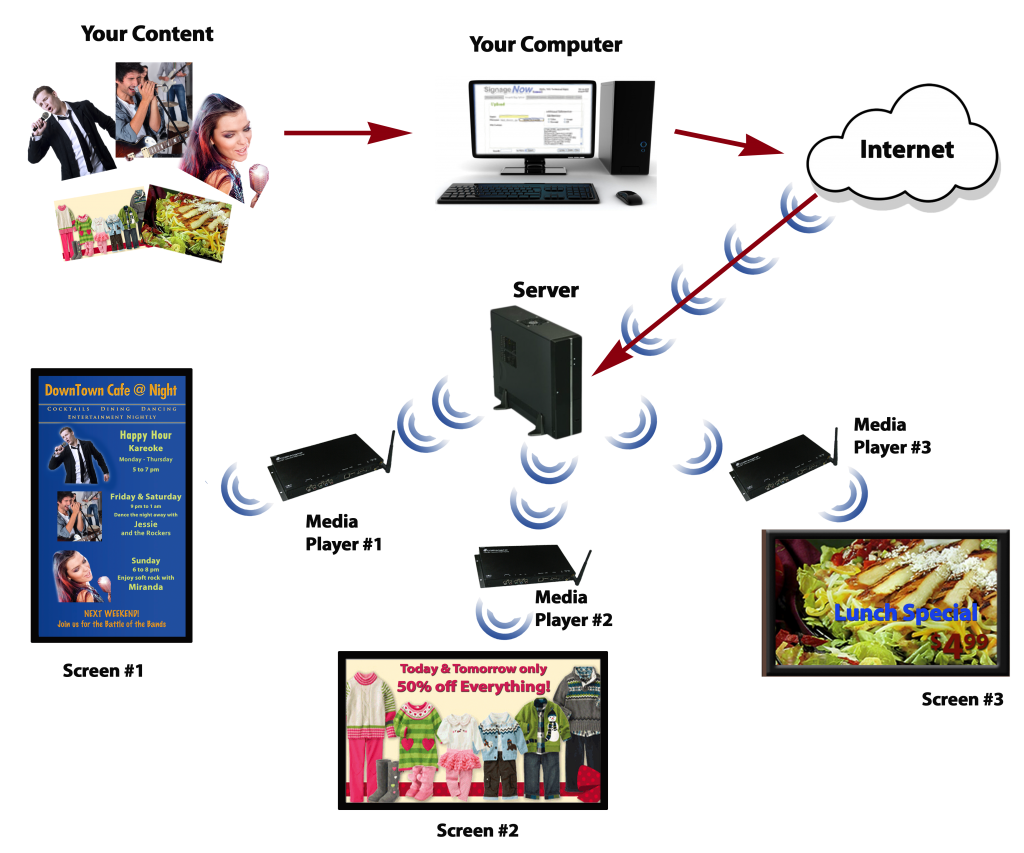
Digital Signage and Content Management Digital signage is a great way to communicate with customers and employees, increase revenue, and improve customer satisfactio film กระจกn. The display of products, services, and other information can also help you differentiate your business from competitors. Another great benefit of digital signage is its easy management of content. This feature makes the process of creating and updating content very easy.
Places to purchase digital signage If you are looking for a way to display commercial ads or other content, there are
many places to purchase digital signage. These displays can be two-tone or full- color ติด ฟิล์ม กระจก บ้าน. Increasingly, more companies are getting into this business. Some specialize
in creating alluring digital signs. Even telecoms companies are offering digital signage as an option. Retailers are also benefiting from digital signage. It’s more space-efficient than traditional advertising and allows retailers to tell their stories in a high-tech way. Restaurants, for example, can make their menus more visually appealing by featuring enticing pictures of the items on the menu. Additionally, retail stores are investing heavily in this growing industry to reach their customers more effectively. Types of digital signage There are several types of digital signage. Some of these systems include a single display panel, while others are a video wall. Digital signage is used to display information to a wide audience. Different types of signage use different types of media, and the location in which they are mounted varies as well. Digital signage is an electronic display that can be used for marketing, wayfinding, and exhibits. It can be installed in public and private locations. It can be controlled by personal computers or servers. It allows for immediate updates and displays almost any type of media.
Content management system (CMS) A content management system for digital signage is a software application that allows you to manage and customize the content that appears on your screens. You can create content using a variety of methods, including a drag-and-drop approach or using a template. One advantage of using a template is that you can reuse it across different screens. A digital signage CMS also supports a variety of scheduling methods, including weekly, daily, seasonal, and real-time. Content management systems are designed to make content management simpler, safer, and more time-efficient. With a CMS, you can manage your content through a central location and cut your content creation time in half. CMS software is also designed to be user-friendly and includes tools and templates that help you make content creation easier. These features will improve your business’s productivity and outreach.