
You’ll find rat repellent sprays offer quick, even coverage and easy application, but they may lose effectiveness faster and pose inhalation risks. Powders provide longer-lasting protection and target rats’ sensitive noses more precisely, though they require careful placement and can be messier rat repellent. Environmental safety and cost vary for both, with powders often being more economical long-term. If you want to understand which method suits your situation best, more detailed factors await your consideration.
Effectiveness of Rat Repellent Sprays
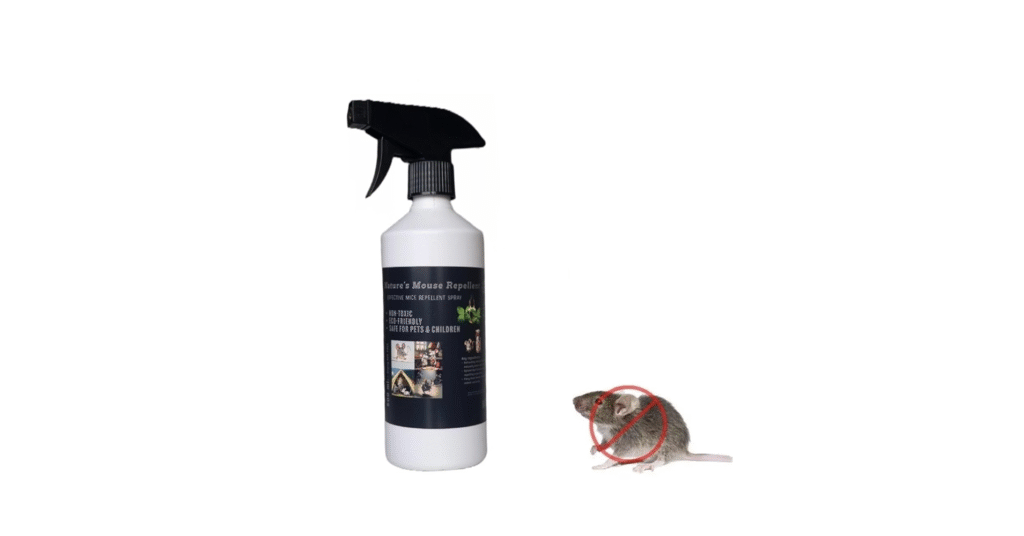
When you apply rat repellent sprays, their effectiveness largely depends on the active ingredients and proper application. These sprays often utilize scent masking to obscure the odors that attract rats, disrupting their ability to detect food sources. Additionally, they employ behavioral deterrence by introducing irritants or unpleasant scents that rats instinctively avoid. For best results, you need to evenly coat entry points and nesting areas, ensuring the spray remains potent over time. Environmental factors such as rain or wind can diminish effectiveness, so reapplication may be necessary igreenasia. By understanding these mechanisms, you maintain control over rat activity without resorting to lethal measures, preserving your autonomy in pest management. Precision in application empowers you to create a sustainable barrier, reinforcing your freedom from unwanted infestations.
Benefits of Using Rat Repellent Powders
Frequently, rat repellent powders offer a durable and concentrated method for deterring rodents by targeting their sensitive olfactory receptors. When you opt for powders, you benefit in several key ways:
- Long-lasting effect: Powders maintain potency longer than sprays, providing extended protection.
- Mimic natural predators: Many powders simulate scents linked to predators, leveraging rats’ instinctive avoidance behavior.
- Versatility with grain baiting: You can combine powders with grain baiting strategies to enhance deterrence without poisoning.
- Localized application: Powders allow precise placement, minimizing environmental impact and preserving your freedom to control rodent presence selectively.
Application Methods and Convenience
Spraying on rat repellent is quick and easy, making it a convenient option for immediate coverage over large areas. You can achieve uniform distribution with minimal effort, thanks to the easy application of sprays, which often come in ready-to-use bottles. Cleanup is also straightforward; any residue can be wiped away with a damp cloth, ensuring quick cleanup without lingering mess. Conversely, powders require more precise placement, typically applied with a shaker or by hand, which can be less convenient and messier. While powders offer targeted control, they demand careful handling to avoid dispersal or inhalation. Overall, if you value freedom and efficiency, sprays provide a streamlined application process with less downtime, allowing you to manage rodent deterrence swiftly and move on with your day.
Safety and Environmental Considerations
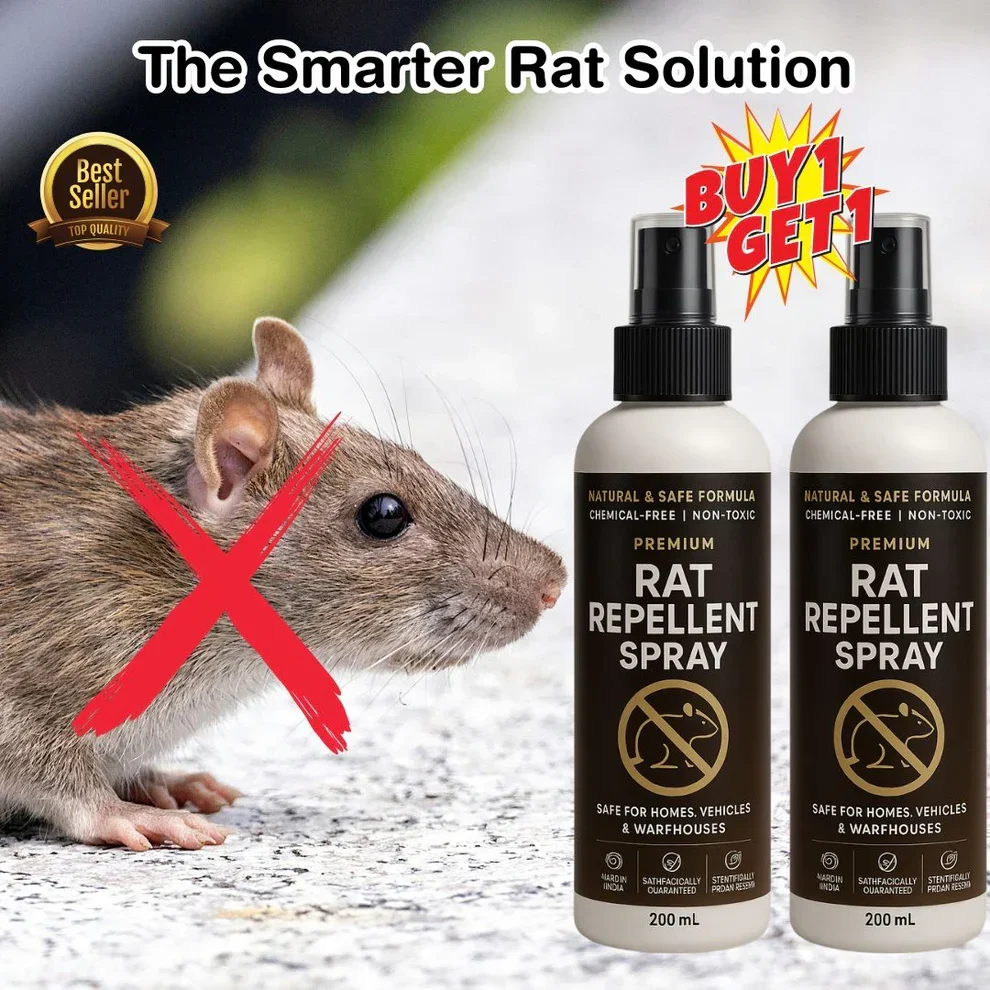
While sprays offer ease of use and powders allow targeted application, understanding their safety profiles and environmental impact is equally important. You need to weigh these factors carefully to maintain your freedom without compromising health or nature.
- Sprays can increase human exposure risk through inhalation, requiring proper ventilation and protective gear.
- Powders, if not applied carefully, may disperse into unintended areas, elevating exposure potential.
- Both forms risk water contamination if washed into drains or soil, affecting local ecosystems.
- Biodegradability and chemical composition vary, so choosing repellents with minimal ecological footprint preserves environmental integrity.
Cost Comparison and Longevity
Because you’re likely balancing effectiveness with budget constraints, understanding the cost differences and longevity of rat repellent sprays versus powders is essential. Sprays often come at a higher initial price due to formulation complexity and packaging but provide rapid application and targeted coverage. Powders, typically less expensive per unit, offer extended efficacy, sometimes lasting several weeks, reducing the need for frequent reapplication. However, market variability and seasonal pricing can influence costs markedly; sprays may spike during peak pest seasons, while powders might see steadier pricing. When evaluating long-term value, consider that powders’ residual action often translates to fewer purchases over time, granting you more freedom from constant upkeep. Your choice should align with your budget, application preferences, and desired duration of protection.
Conclusion
When choosing between rat repellent sprays and powders, consider your specific needs. Sprays offer quick application and immediate effect but may require frequent reapplication. Powders provide longer-lasting protection and are ideal for hidden areas but can be messier to apply. Both have safety and environmental implications, so follow instructions carefully. Cost-wise, powders tend to be more economical over time. Ultimately, select the option that best balances effectiveness, convenience, and safety for your situation.