
In the realm of artistic expression, Chinese calligraphy stands as a timeless embodiment of linguistic elegance and cultural heritage o level chinese tuition. Originating from ancient traditions, this art form intertwines brush strokes with profound meanings, creating a visual symphony of characters.
Through meticulous techniques and symbolic depth, each stroke tells a story, reflecting the evolution of styles and the aesthetic allure that captivates admirers. Join us on a journey to explore the art of Chinese calligraphy and unveil its linguistic beauty.
Origins of Chinese Calligraphy
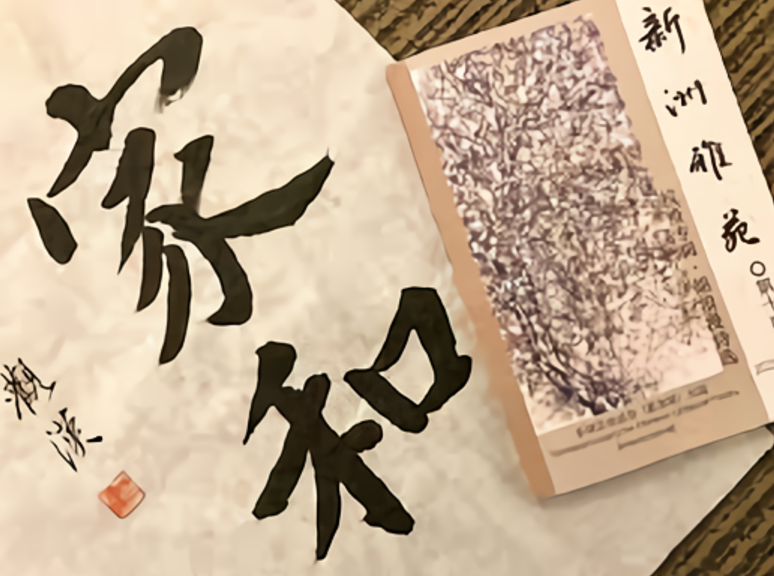
The genesis of Chinese calligraphy can be traced back to ancient civilizations, embodying a profound cultural heritage and artistic tradition. Dating back over 4,000 years, Chinese calligraphy has roots deeply intertwined with the development of the Chinese writing system. Initially inscribed on oracle bones and bronze vessels https://www.yanzimandarin.com/, calligraphy in China evolved from practical communication to a revered art form.
The earliest forms of Chinese calligraphy were pictographs, representing objects or ideas. As society advanced, these pictographs transformed into more abstract and stylized characters, giving birth to various script styles such as seal script, clerical script, cursive script, and regular script. Each style reflects the historical context and artistic preferences of its era.
Chinese calligraphy not only serves as a tool for written communication but also conveys the artist’s emotions, personality, and spirit. It is a medium through which freedom of expression flourishes, allowing individuals to convey profound meanings through brushstrokes and ink. The origins of Chinese calligraphy are deeply rooted in the essence of human expression and creativity, making it a timeless art form cherished across the globe.
Techniques and Tools of Calligraphy
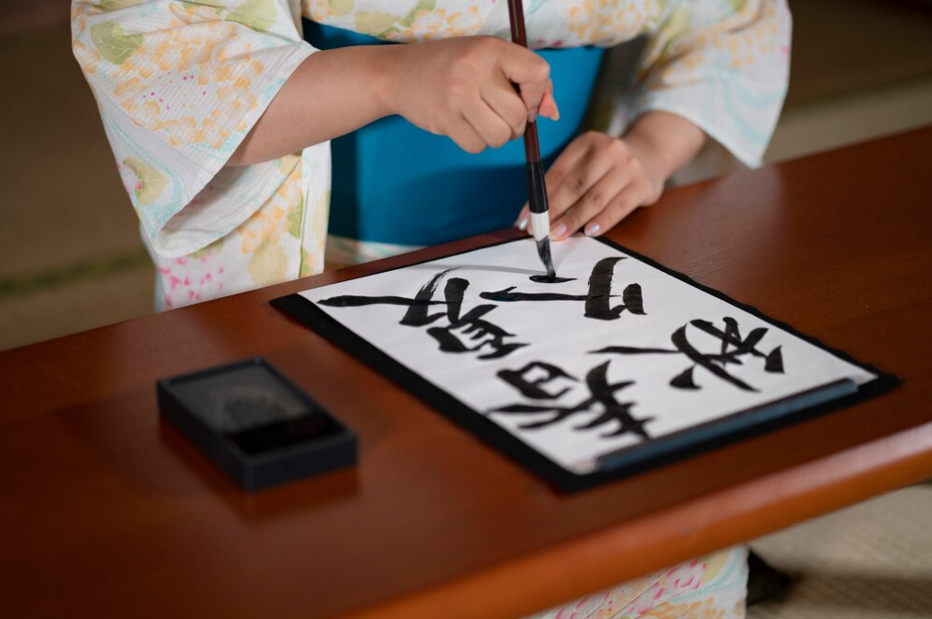
Calligraphers employ various specialized tools and techniques to create intricate strokes and characters in Chinese calligraphy. One essential tool is the brush, typically made of animal hair and bamboo, which allows for the variation in line thickness crucial to the art form. The ink, traditionally made from soot and animal glue, is another vital component, with different shades and consistencies adding depth and dimension to the characters.
Techniques in Chinese calligraphy often emphasize the flow and rhythm of the strokes. Calligraphers focus on controlling the brush pressure to create thin, delicate lines or bold, powerful strokes. The use of space and composition is also crucial, with skilled artists balancing characters within the designated area to create harmony and aesthetic appeal.
Furthermore, calligraphers often train for years to master the intricate movements required for each stroke. By practicing basic shapes repeatedly, they develop muscle memory and fluidity in their writing. Overall, the combination of specialized tools and practiced techniques allows calligraphers to create stunning works of art that exemplify the beauty and elegance of Chinese calligraphy.
Symbolism and Meaning in Characters
Symbolism plays a significant role in Chinese calligraphy, enriching characters with layers of meaning and cultural significance. Each stroke and component within a character can carry profound symbolism, reflecting elements of nature, history, philosophy, and societal values.
For example, the character for ‘peace’ (安) incorporates the radical for ‘roof’ over the character for ‘woman,’ symbolizing a woman under a roof, representing the concept of security and peace at home. Similarly, the character for ‘harmony’ (和) combines the radicals for ‘mouth’ and ‘grain,’ emphasizing the idea of people coming together to share food and conversation in unity.
These symbolic representations in Chinese characters not only convey linguistic meaning but also serve as visual representations of broader cultural ideals and beliefs. Understanding the symbolism behind each character adds depth and richness to the art of Chinese calligraphy, allowing for a more profound appreciation of the intricate intertwining of language, culture, and art.
Evolution of Calligraphy Styles
Exploring the historical progression of calligraphy styles reveals a fascinating evolution in the visual representation of linguistic artistry within Chinese characters. From the ancient oracle bone script to the seal script, clerical script, cursive script, and regular script, each style captures the essence of its era while showcasing the creativity and skill of the calligrapher. The evolution of calligraphy styles not only reflects changes in artistic preferences but also mirrors shifts in societal norms, cultural values, and technological advancements.
The oracle bone script, characterized by its pictographic nature, evolved into the more structured and angular seal script, which was used for official inscriptions and seals. As time progressed, the clerical script emerged with its simplified forms and increased efficiency for writing official documents. The cursive script introduced a more fluid and expressive style, paving the way for the elegant and widely adopted regular script that we see today. Each style embodies a unique beauty that continues to captivate audiences worldwide, showcasing the rich history and artistic depth of Chinese calligraphy.
Appreciating the Aesthetics of Calligraphy
The evolution of Chinese calligraphy styles showcases a profound appreciation for the aesthetics of linguistic artistry, highlighting the intricate balance between form and expression. Chinese calligraphy is not merely about writing characters; it is a visual art form that embodies the essence of Chinese culture. The aesthetics of calligraphy lie in its ability to convey emotions, thoughts, and cultural nuances through the brushstrokes of the artist. Each stroke carries meaning and intention, creating a harmonious composition that is both visually pleasing and intellectually stimulating.
Appreciating the aesthetics of calligraphy involves understanding the principles of balance, rhythm, and harmony within the artwork. The use of space, the flow of lines, and the variation in thickness all contribute to the overall beauty of the piece. A skilled calligrapher can evoke a range of emotions through their work, from tranquility and elegance to strength and power.
In essence, the aesthetics of calligraphy invite viewers to immerse themselves in the beauty of the written word, transcending linguistic barriers to appreciate the artistry and cultural significance it embodies.
Conclusion
In conclusion, Chinese calligraphy has a rich history and intricate techniques that have evolved over centuries. The symbolism and meaning in characters add depth and beauty to the art form, while the various styles showcase the creativity and skill of the calligrapher.
Appreciating the aesthetics of calligraphy allows for a deeper understanding of Chinese culture and language.